Chat on WhatsApp

Sciatica Pain Treatment in Richmond Hill

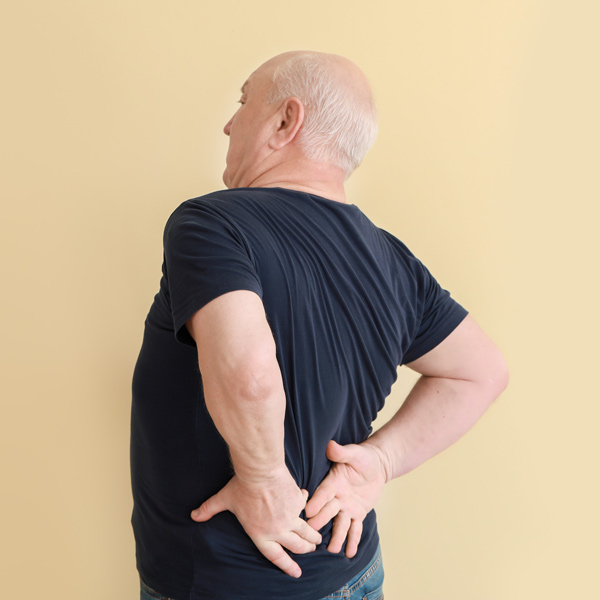
Sciatica refers to pain that follows the path of the sciatic nerve, which runs from the lower back through the buttocks and down each leg. This condition often occurs when a herniated disc or bone overgrowth compresses the nerve roots in the lumbar spine, causing inflammation, pain, and sometimes numbness in the affected leg.

Call iGood Health Centre

Sciatica Pain Relief and Management

Sciatica pain can feel very different from regular lower back stiffness. It often travels from the lower back or buttock into the leg and may feel sharp, burning, electric, or deep and aching. Some people feel it only in the buttock or thigh. Others notice pain, tingling, numbness, or weakness that runs down toward the calf, ankle, or foot.

At iGood Health Centre, we provide sciatica pain treatment in Richmond Hill for people dealing with nerve-related leg pain, shooting pain, burning, tingling, numbness, and discomfort that affects sitting, walking, driving, work, sleep, or daily movement.

Your care starts with an assessment. Sciatica-type symptoms can be related to irritation of the sciatic nerve or nearby structures in the lower back, pelvis, or hip area. The right treatment depends on how your symptoms behave, where the pain travels, what movements make it worse, and whether there are signs that need further medical attention.

Disc and Sciatica Management

Common Symptoms of Sciatica Pain

Sciatica symptoms usually happen when the sciatic nerve or related nerve roots become irritated, compressed, or sensitized. This does not always mean there is one single cause, and not every case is caused by a severe disc problem.

Common contributors may include:

01

Pain radiating from the lower back to the leg

02

Tingling or numbness in the leg or foot

03

Burning or sharp sensations along the sciatic nerve

04

Weakness in the affected leg or foot

Chronic sciatica discomfort can significantly disrupt daily activities, making simple tasks difficult and reducing overall quality of life. Left untreated, it can lead to more serious complications and costly medical treatments.

By recognizing symptoms early and seeking appropriate care, individuals can effectively manage sciatica and prevent it from escalating into a debilitating condition. Treatments like physiotherapy, chiropractic adjustments, and targeted exercises are proven to alleviate pain, improve mobility, and support long-term recovery

Common Causes of Sciatica Pain

Sciatica-type symptoms may be related to irritation or compression of nerve roots in the lower back, disc-related changes, spinal stenosis, muscle tension around the hip or pelvis, movement habits, or prolonged sitting. A proper assessment helps identify whether conservative care is appropriate or whether medical referral is needed.

01

Muscle Spasms

Often triggered when the body doesn’t get adequate rest after intense physical activity.

02

Obesity

Excess weight increases joint stress, potentially leading to sciatica.

03

Urinary Tract Infections or Kidney Stones

These conditions can sometimes irritate nerves, contributing to sciatica.

04

Stress

High stress levels have been known to induce or exacerbate sciatica symptoms.

05

Improper Lifting Techniques

Lifting heavy objects incorrectly can strain the lower back, triggering sciatica.

Understanding these causes can help in taking preventive measures and seeking the right treatment for lasting relief

What to Expect During Your Sciatica Assessment

Your first visit begins with a detailed conversation about your symptoms. Your provider may ask where the pain starts, how far it travels, whether you feel tingling or numbness, what makes it worse, what gives relief, and how it affects sitting, walking, driving, sleep, work, or exercise.

Your assessment may include checking:

  • lower back and hip range of motion
  • pain referral into the buttock, thigh, calf, or foot
  • nerve sensitivity or tension signs
  • walking tolerance and movement patterns
  • strength in the hip, leg, ankle, or foot
  • sensation changes such as numbness or tingling
  • positions that increase or reduce symptoms
  • sitting, bending, lifting, or standing tolerance
  • whether your symptoms suggest the need for medical referral

This assessment helps your provider understand whether conservative care is appropriate and what type of treatment may be most useful. If your symptoms suggest something that requires medical imaging, urgent care, or another type of evaluation, your provider will explain the next step.

If treatment is appropriate, care may begin during your visit. You may also receive home exercises, position advice, sitting or driving modifications, and guidance on which movements to avoid or adjust during a flare-up.

Services That May Support Sciatica Treatment

Our sciatica treatment approach may include physiotherapy, chiropractic care, massage therapy, acupuncture, spinal decompression, and rehabilitation exercises to help reduce pain and improve mobility.

Chiropractic care offers a non-invasive solution for sciatica by addressing spinal misalignments and reducing nerve compression. Through targeted adjustments, it alleviates pain, improves mobility, and promotes natural healing, providing lasting relief and preventing future flare-ups.

Physiotherapy provides a non-invasive solution for sciatica, combining targeted exercises, posture correction, and muscle strengthening. It alleviates nerve irritation, restores mobility, and prevents future flare-ups, ensuring lasting recovery and improved quality of life.

Shockwave therapy offers a non-invasive solution for sciatica, targeting nerve pain and inflammation. By improving blood flow and promoting tissue repair, it alleviates discomfort, enhances mobility, and supports long-term recovery for a better quality of life.

Massage therapy provides effective relief for sciatica by easing muscle tension, improving blood flow, and reducing nerve pressure. This non-invasive approach alleviates discomfort, restores mobility, and promotes natural healing for long-lasting recovery.

Acupuncture offers a natural and effective solution for sciatica pain by targeting specific pressure points to reduce inflammation, improve blood flow, and alleviate nerve irritation. This holistic approach promotes healing, restores mobility, and provides long-lasting relief.

Cupping therapy, or Hijama, provides a natural solution for sciatica pain by improving circulation, reducing muscle tension, and alleviating nerve pressure. This ancient technique promotes healing, restores mobility, and delivers long-lasting relief from discomfort.

Sciatica Pain Treatment Near You in Richmond Hill

If you live or work in Richmond Hill, sciatica pain can interfere with very practical parts of life: sitting at work, commuting on busy roads, walking through stores, exercising, lifting at home, or sleeping comfortably. When pain travels into the leg, many people also start changing the way they walk or move, which can place extra strain on the back, hip, knee, or opposite side.

At iGood Health Centre, we provide assessment-based sciatica treatment in a multidisciplinary clinic setting. Your provider will look at your symptoms, movement, lifestyle, and goals before recommending care.

Whether your pain started after lifting, built up from sitting, appeared after a workout, or keeps returning without a clear reason, we can help assess the cause and guide you toward an appropriate treatment plan.

Related Sciatica Pain Conditions

Sciatica pain may be associated with herniated discs, lower back pain, piriformis syndrome, spinal stenosis, nerve compression, and sacroiliac joint dysfunction affecting the hips and legs.

Herniated Disc

Piriformis Syndrome

Spinal Stenosis

Spondylolisthesis

Degenerative Disc Disease

Facet Joint Dysfunction

Sacroiliac Joint Dysfunction

Sciatic Nerve Compression

Lumbar Radiculopathy

Sciatica Pain Treatment FAQs

Learn more about common sciatica symptoms, causes, recovery time, treatment options, and when to seek professional care for persistent nerve and lower back pain.

Seek care if pain is severe, lasts more than a week, gets worse, causes leg weakness/numbness, or affects walking and daily activities.

Sciatica often starts as pain in the lower back, buttock, hip, or leg. It may feel sharp, burning, tingling, or like pain travelling down one side of the body.

Mild sciatica can improve over time, but symptoms that last more than a week, get worse, or cause weakness should be assessed.

Many cases improve within several weeks, but recovery can vary. NHS Inform notes sciatica usually improves within 12 weeks, though some cases take longer.

Gentle walking may help some people, but it should not increase leg pain or nerve symptoms. Start slowly and stop if symptoms worsen.

Sitting can increase pressure on the lower back and irritated nerve structures, especially when symptoms are linked to disc irritation or poor posture.

Common flare-ups may come from prolonged sitting, heavy lifting, bending, twisting, poor posture, weak core muscles, or irritation in the lower back or hip area.

Yes, physiotherapy may help by improving movement, strengthening support muscles, reducing nerve irritation, and teaching safer movement patterns.

Serving Richmond Hill & Surrounding Communities

Located in Richmond Hill, iGood Health Centre provides personalized care for headache, migraine, neck pain, muscle tension, and mobility concerns. Our clinic proudly supports patients across Richmond Hill and nearby communities with evidence-based treatment approaches.

What Patients Say About iGood Health Centre

Patient feedback can help new visitors understand the care experience at iGood Health Centre. Reviews often mention our practitioners, clinic environment, appointment experience, and support for pain, mobility, and recovery-related concerns.